
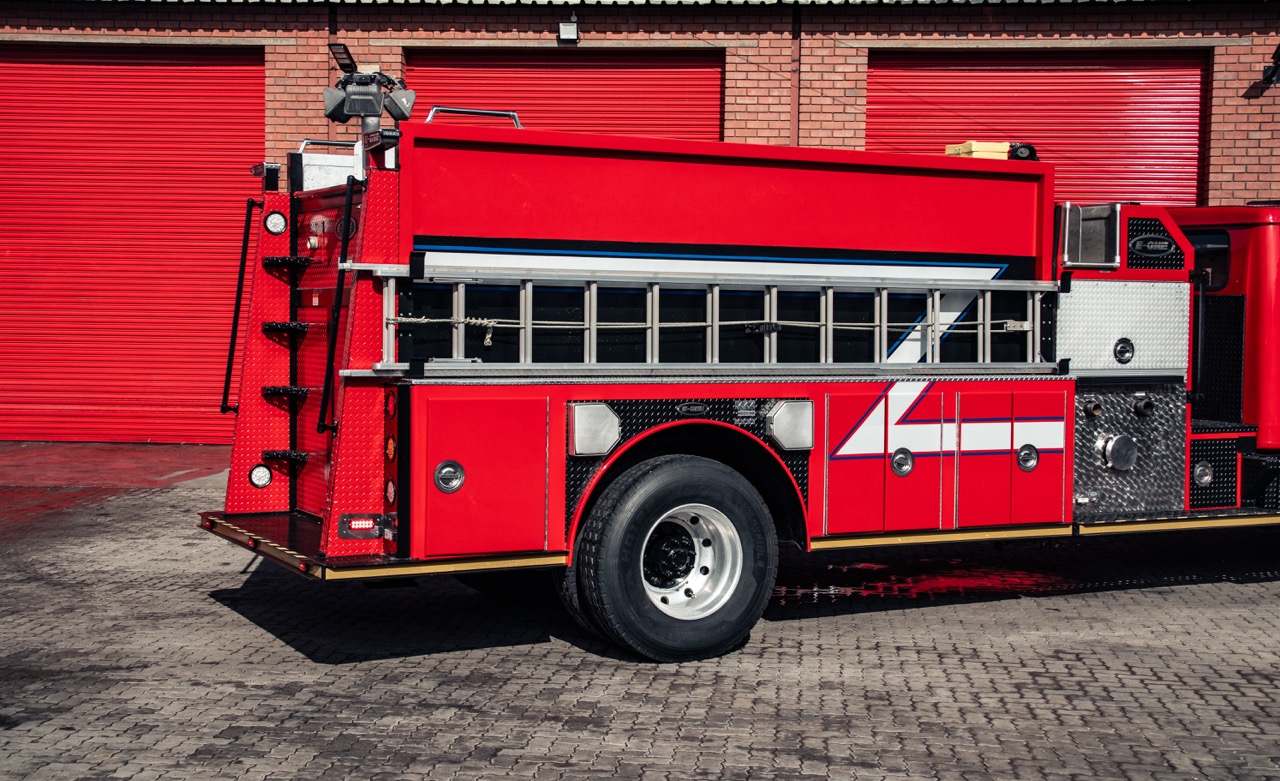
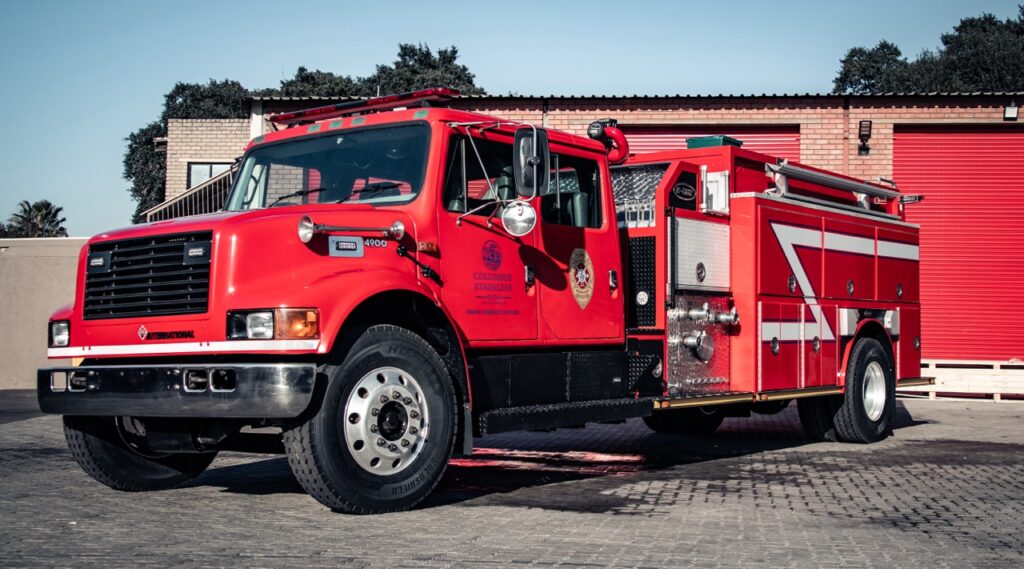
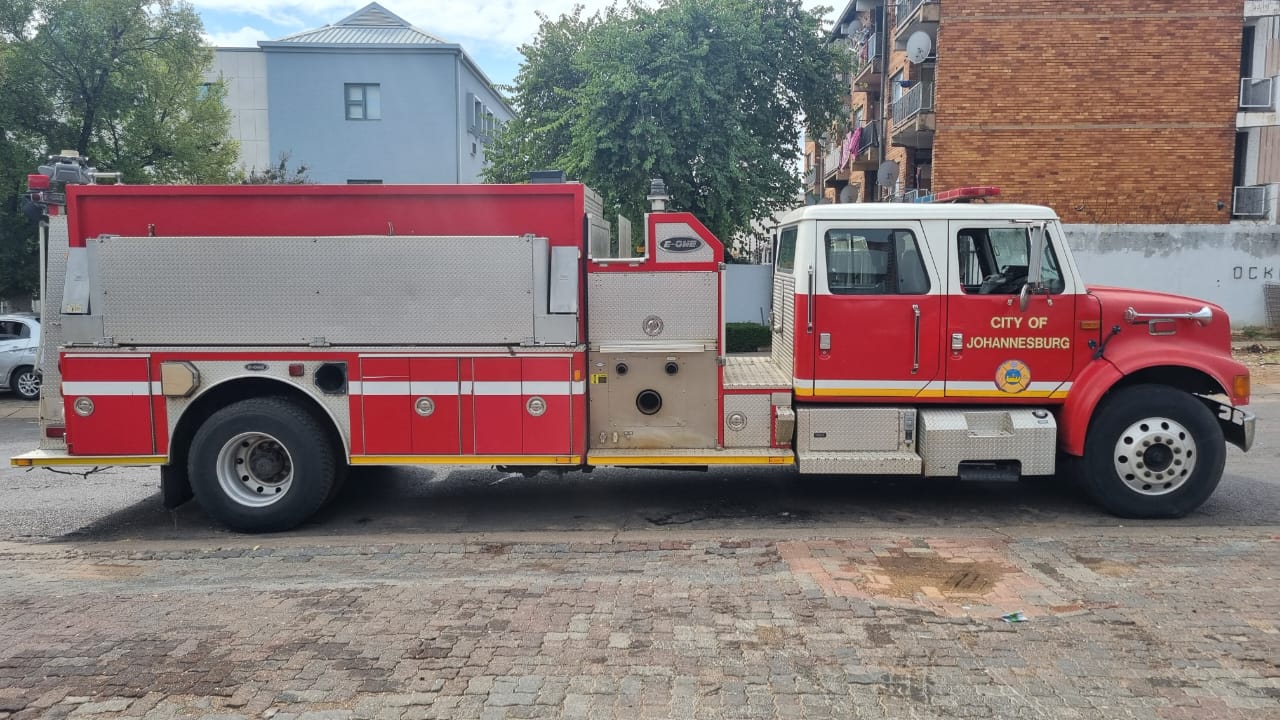
When budgets are tight and response risks are rising, refurbishing an existing firefighting vehicle can deliver frontline capability at a fraction of the price of a new unit, often around a third when replacement would cost three times more. The value is not only financial; it’s operational, technical, and environmental.
Refurbishing Firefighting Vehicles

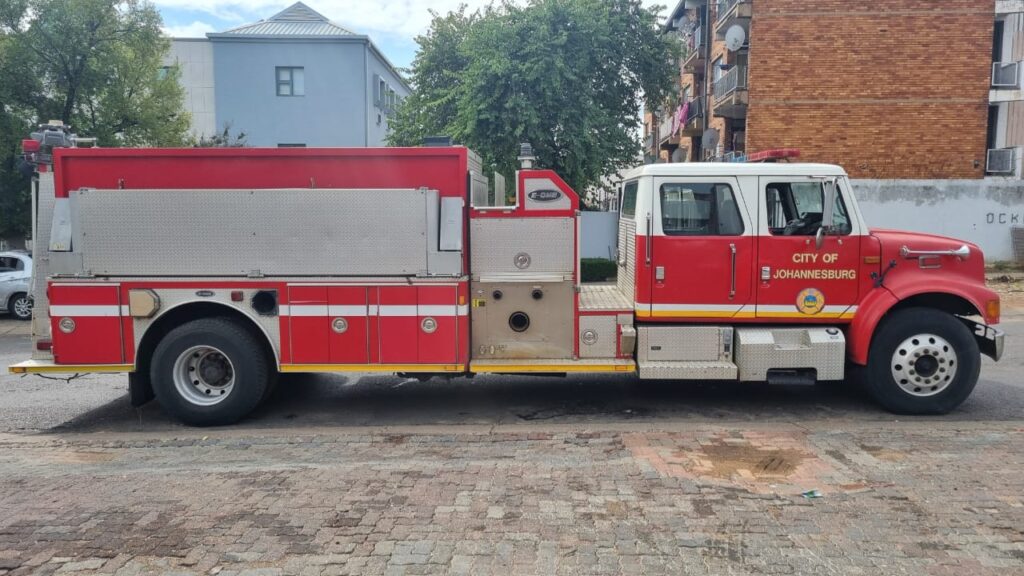
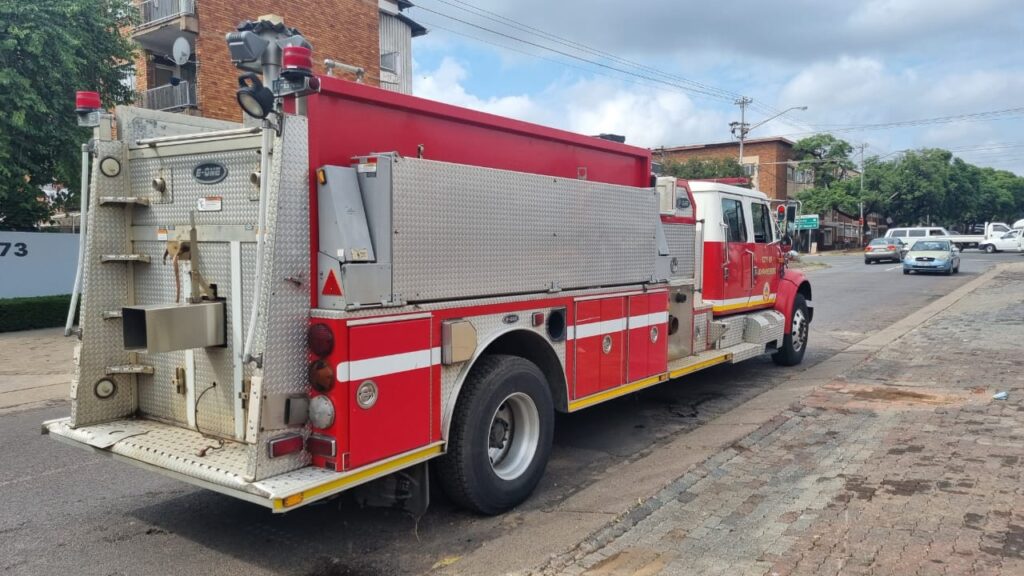
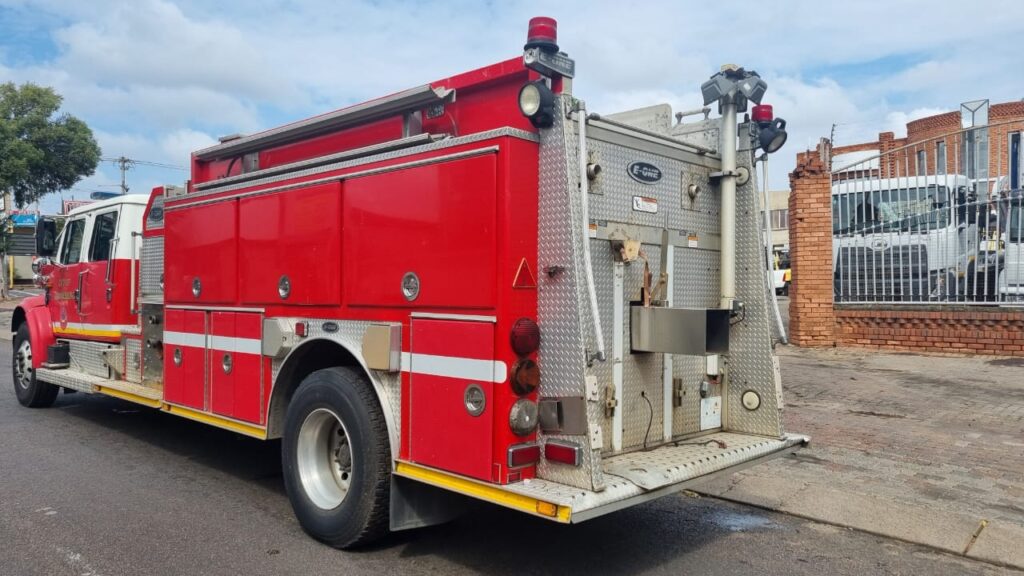
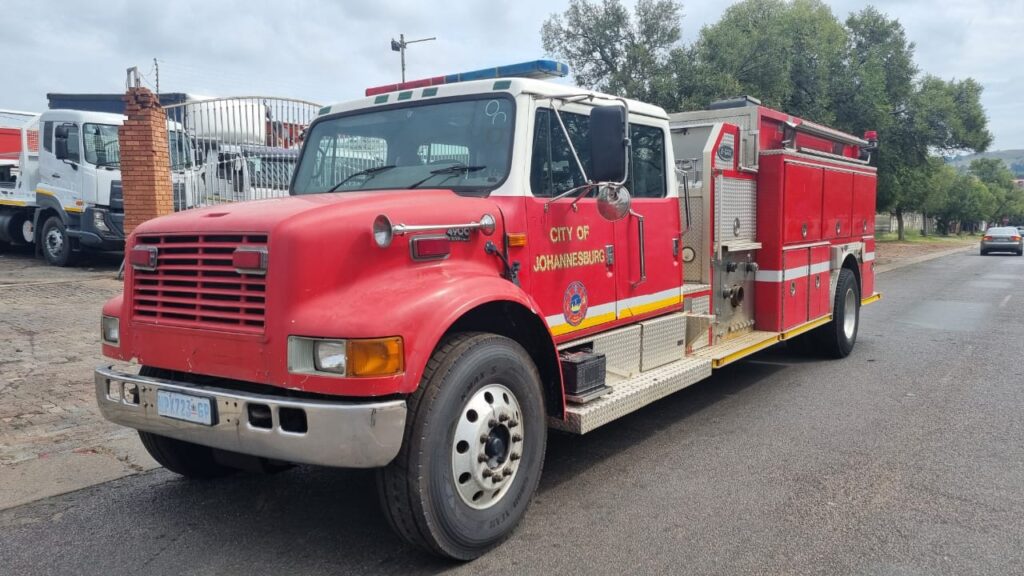
Refurbishing Firefighting Vehicles
We target the systems that matter most
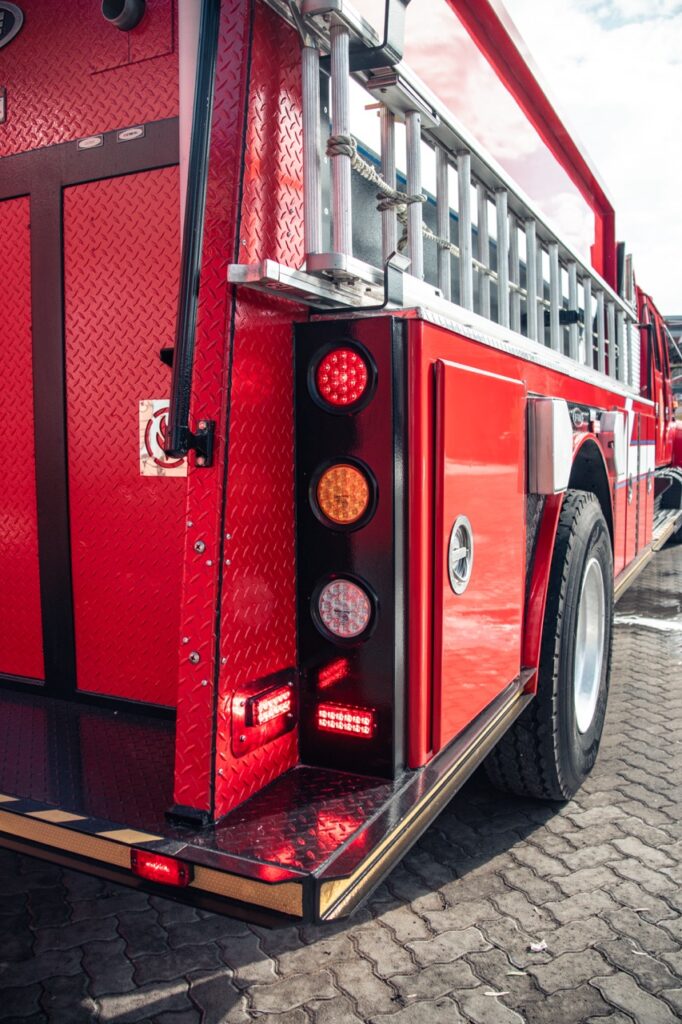
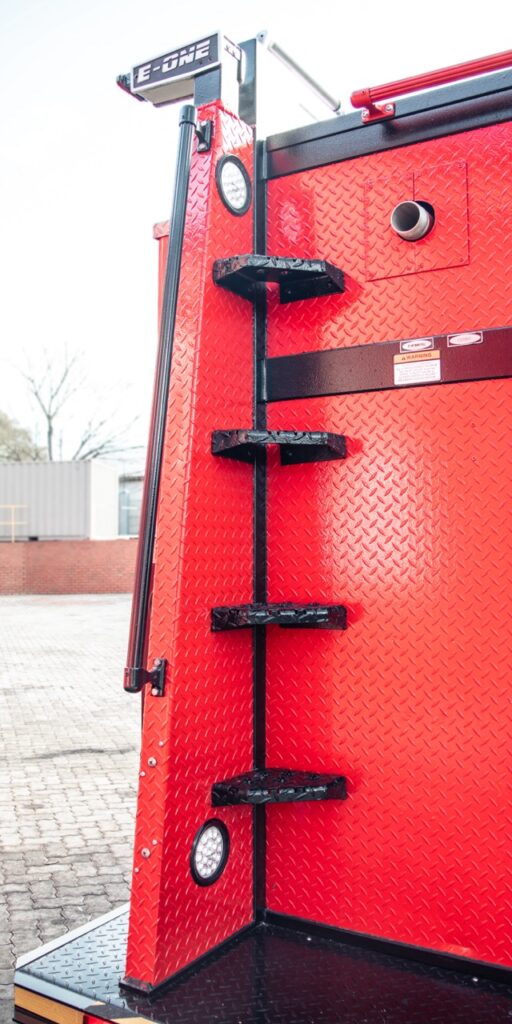
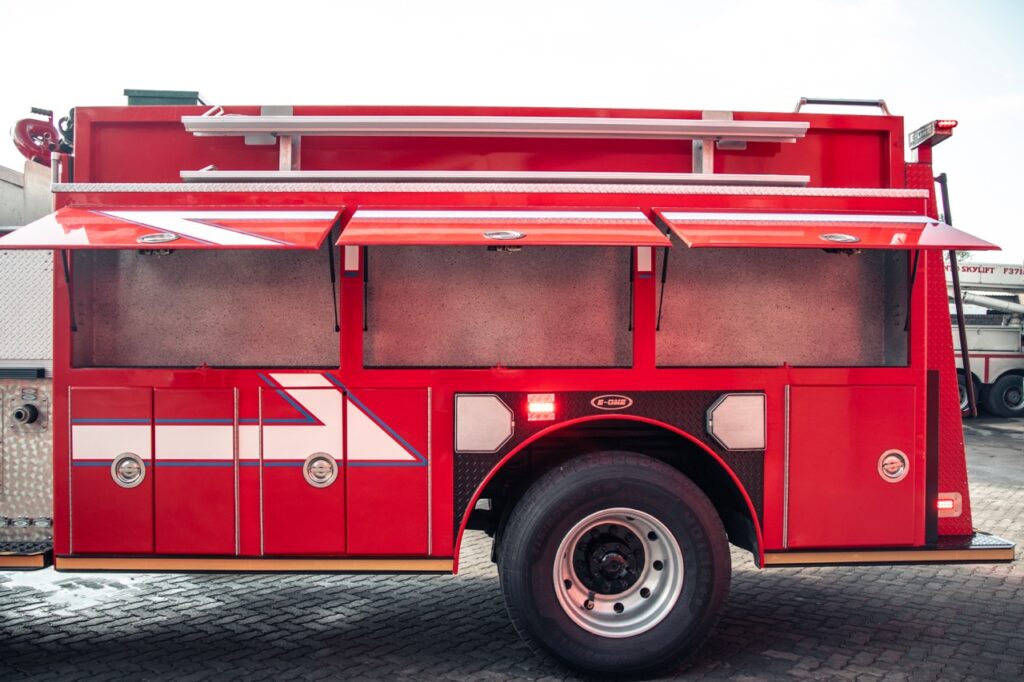
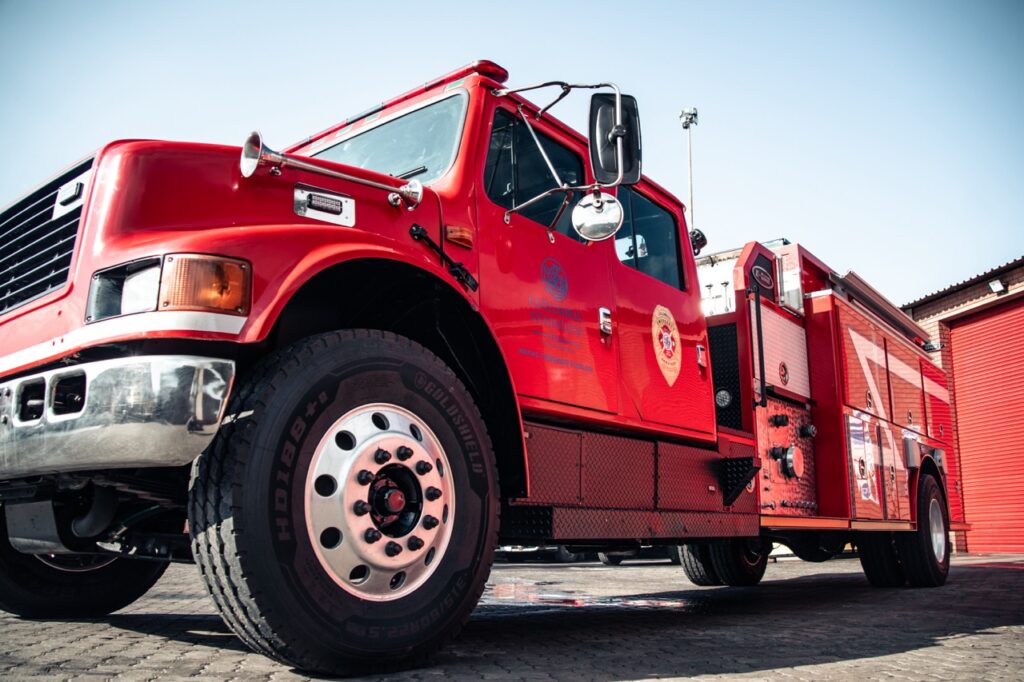
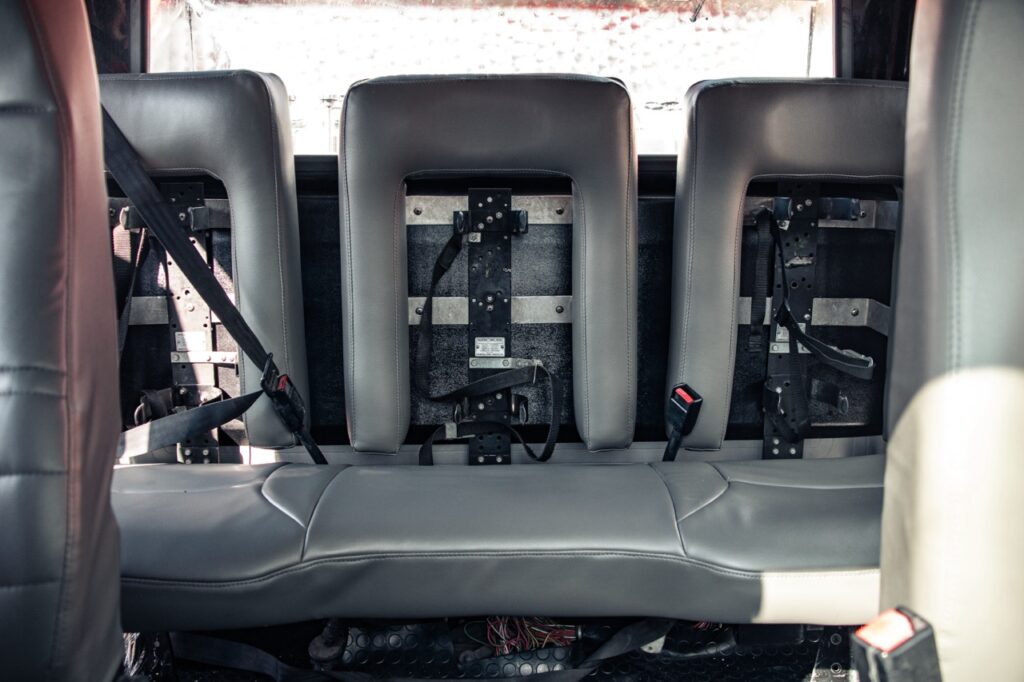
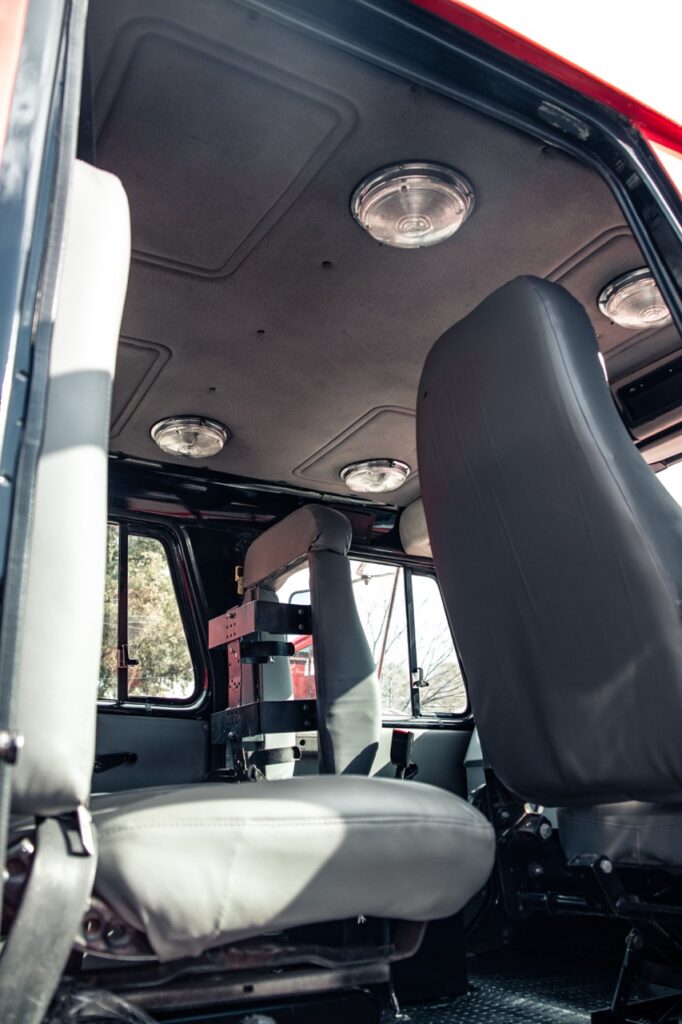
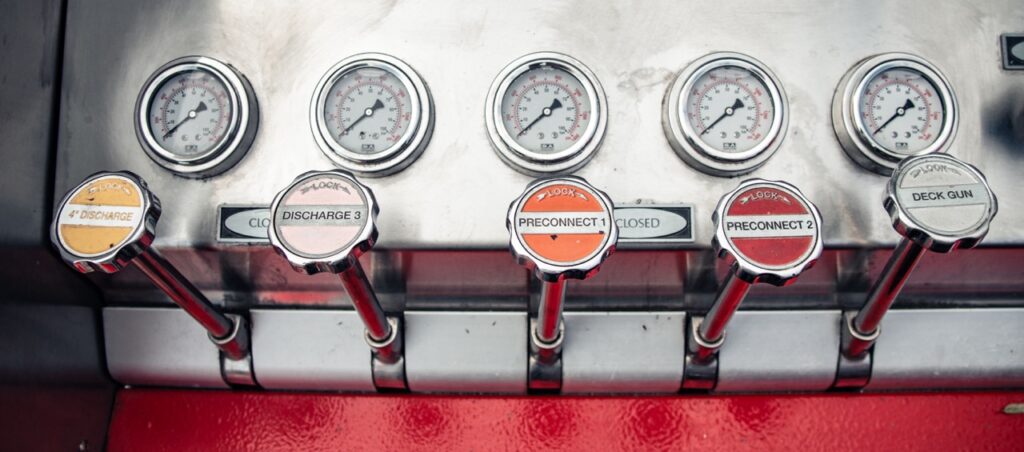
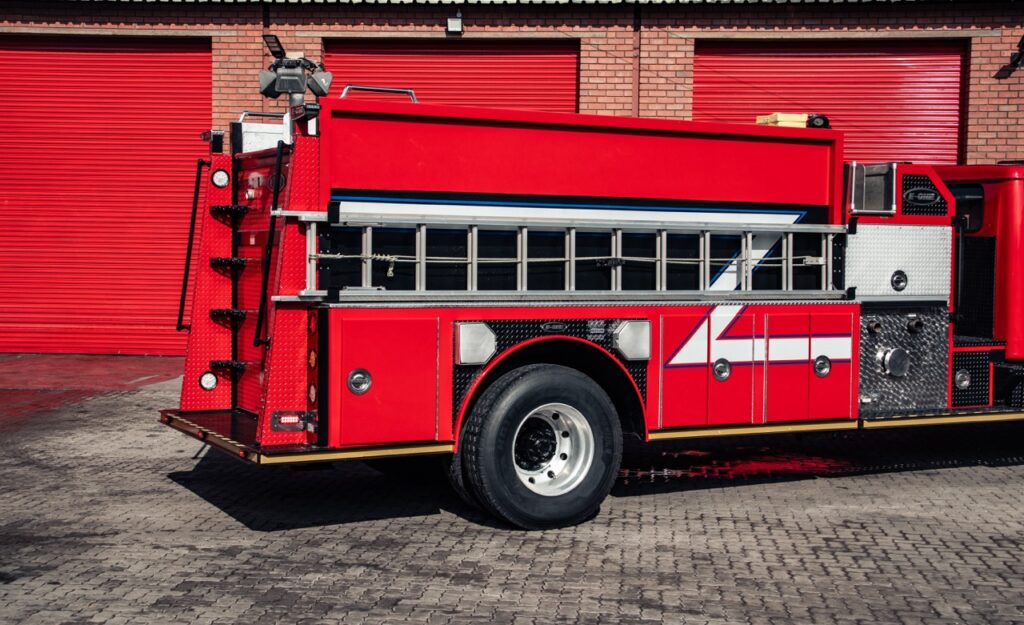
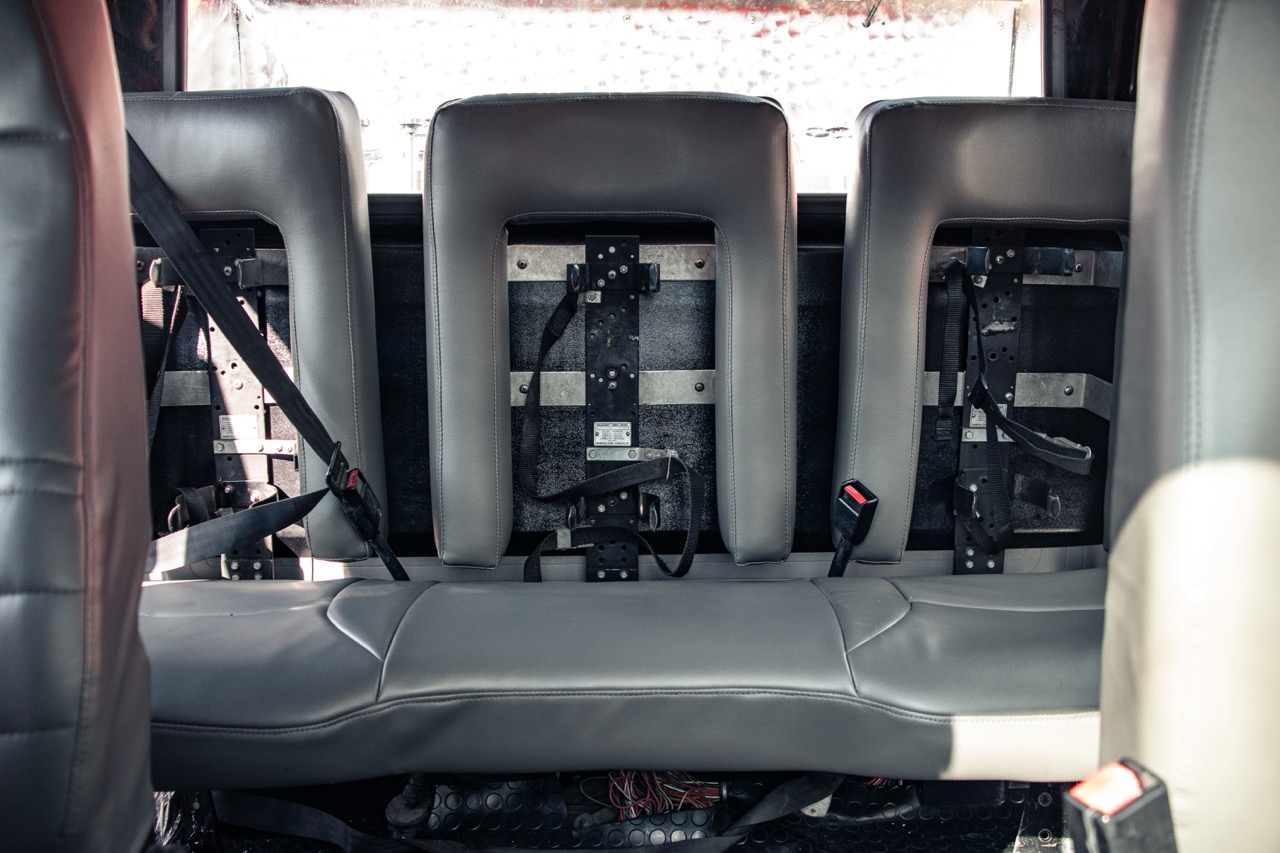
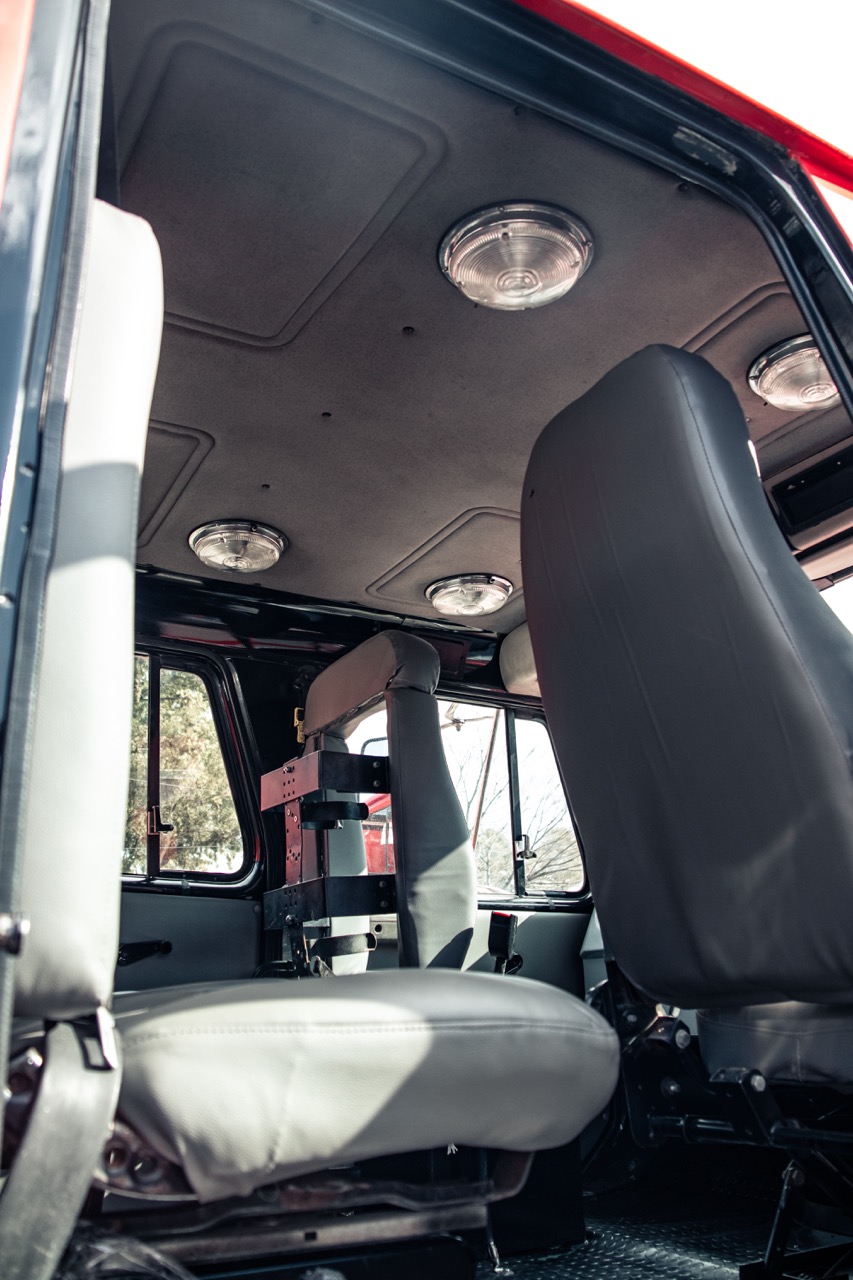
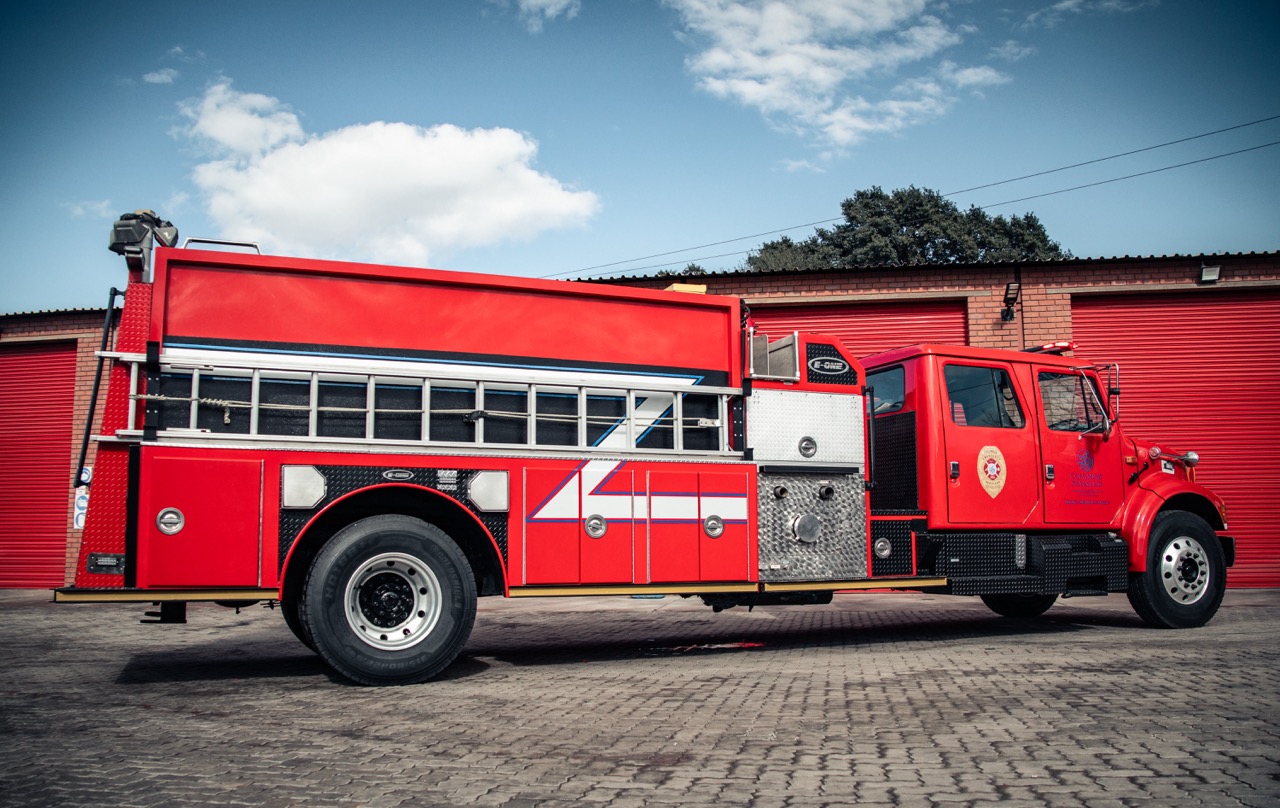
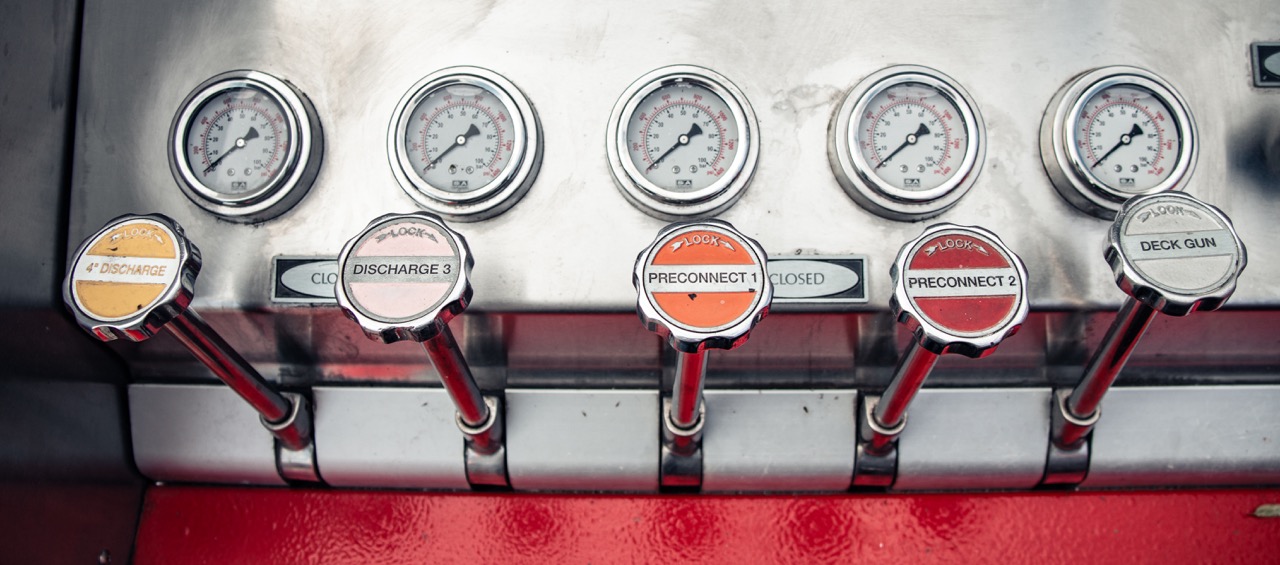
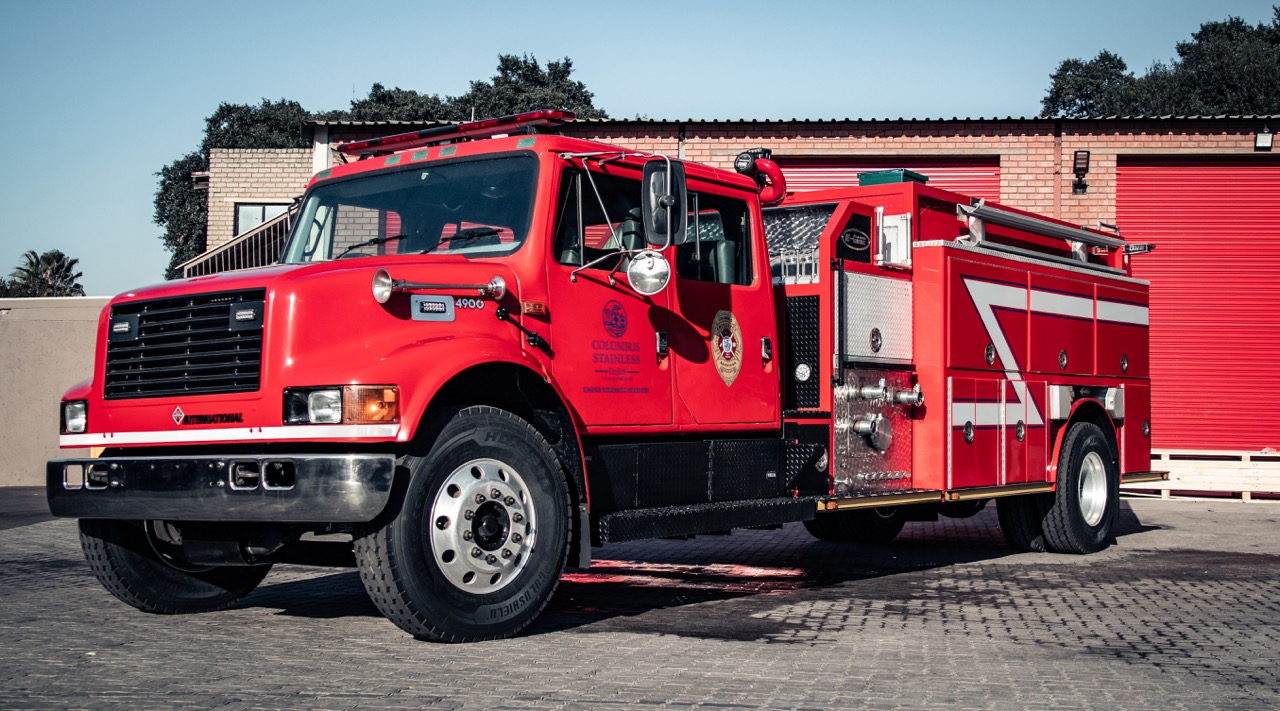
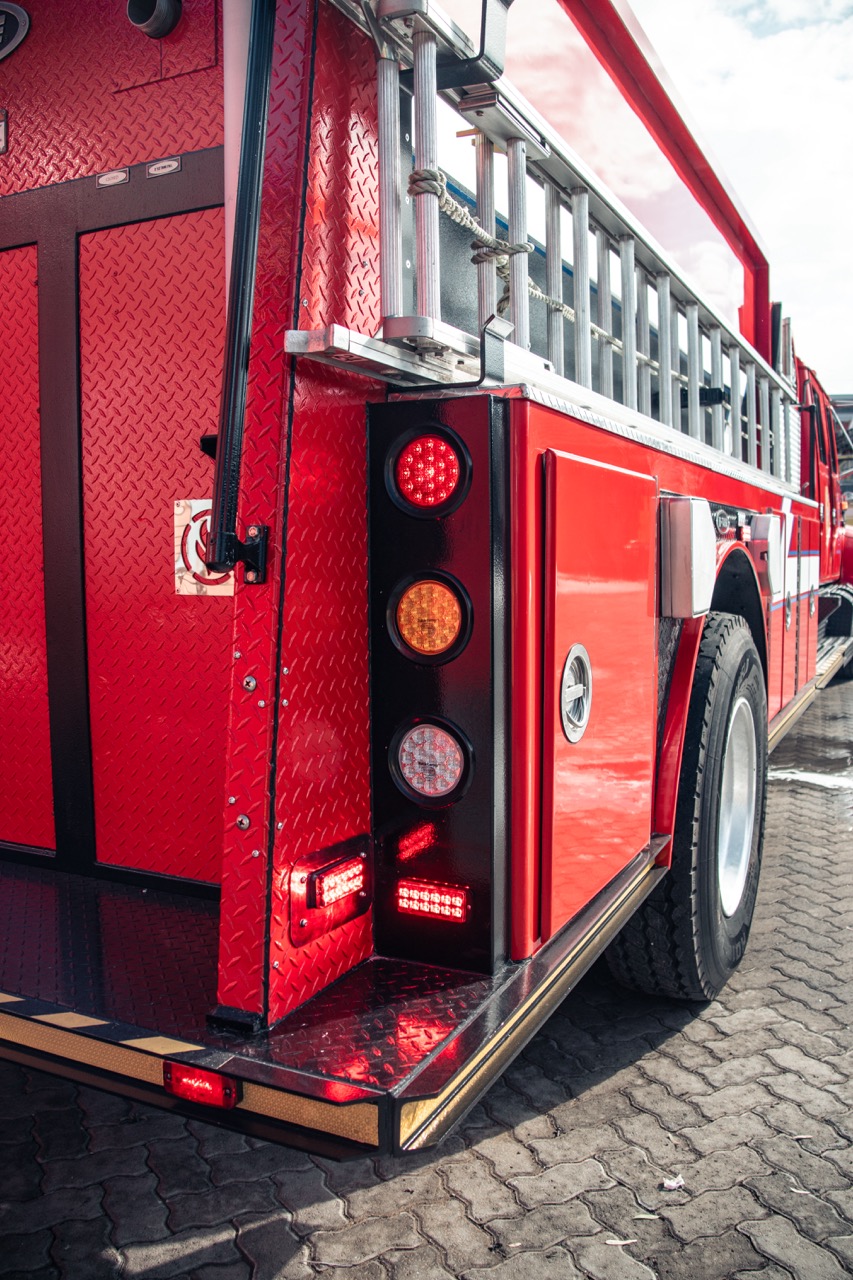
A structured refurbishment or recycling program, targets the systems that matter most: pump and plumbing overhaul; electrical rewiring and CANbus clean-up; lighting, warning, and communications upgrades; body and compartment repairs; corrosion treatment; brake, suspension, and steering renewal; and cab interior refresh for crew safety and ergonomics.
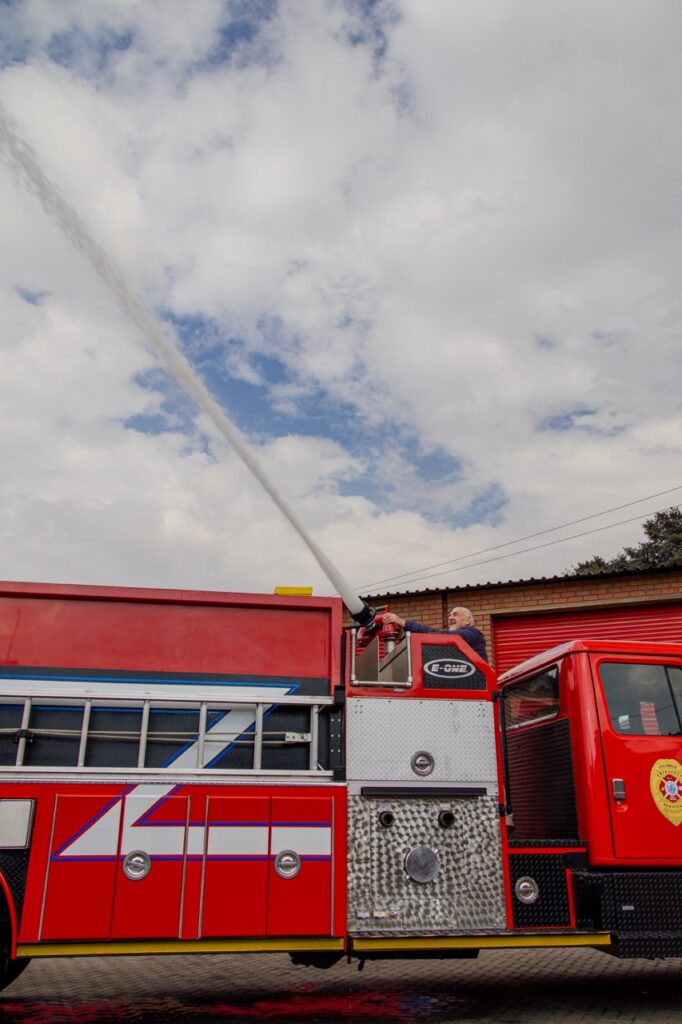
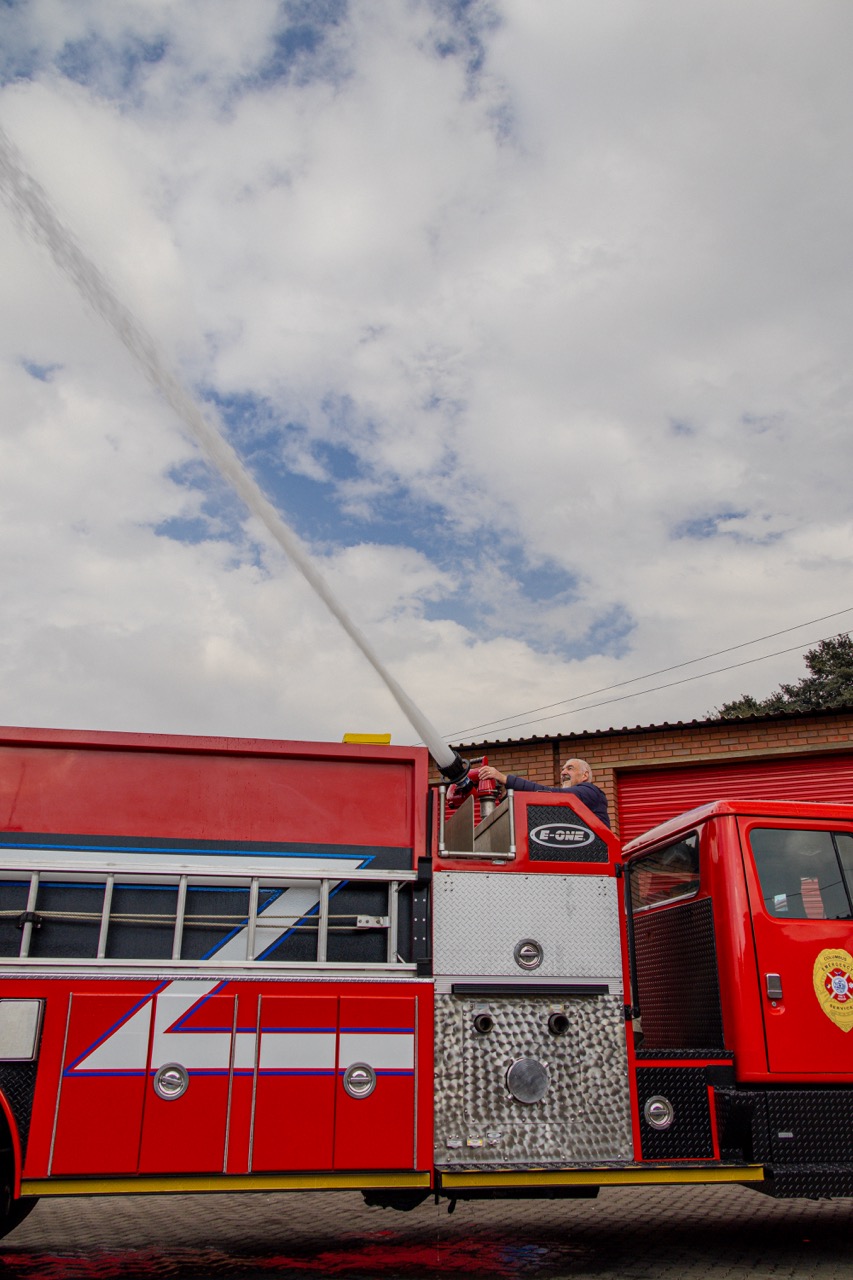
Where appropriate, we can add performance multipliers; Tactical UHP modules, foam proportioning, HyperSight thermal imaging integration, and improved scene lighting, all to extend the vehicle’s tactical envelope without the long lead times of a new build.


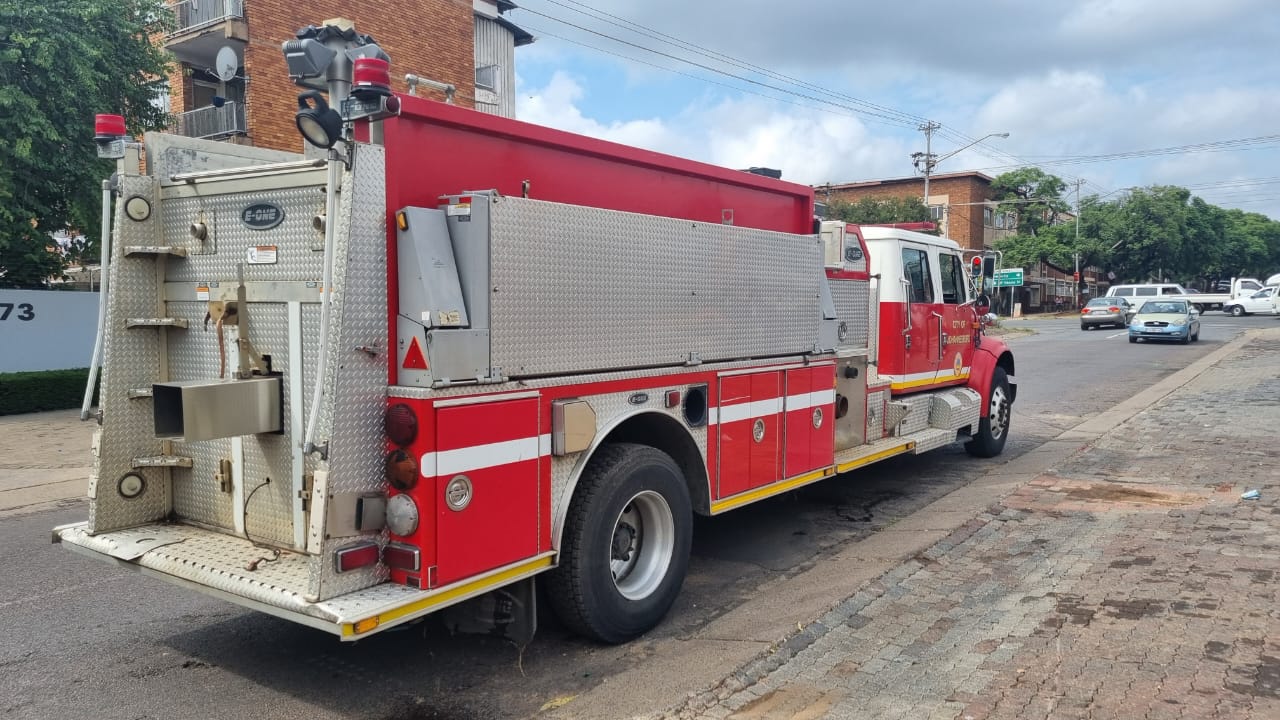
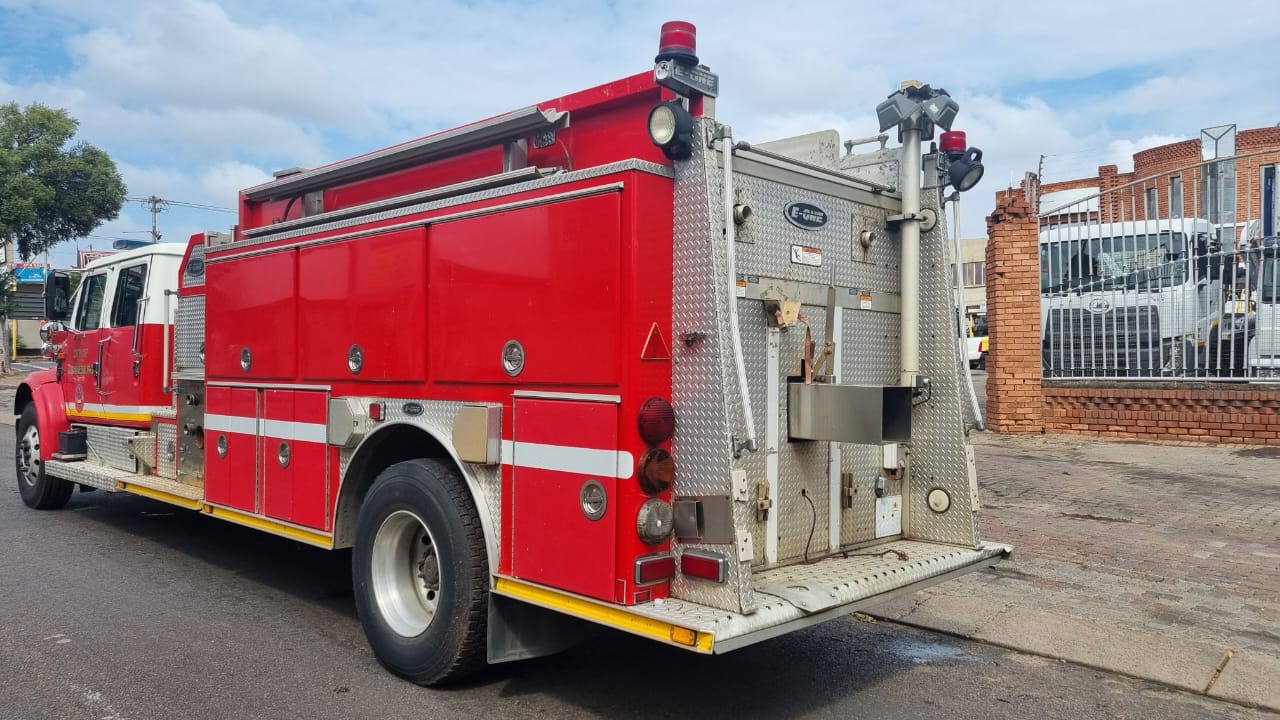
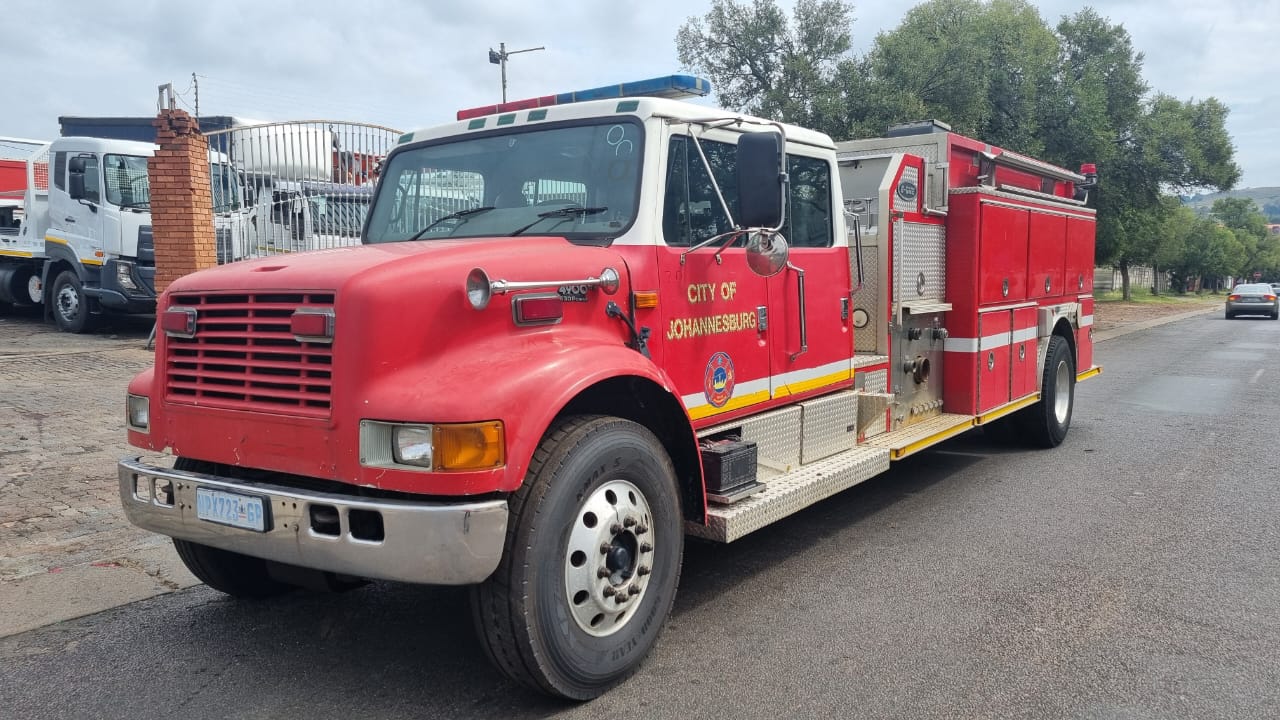

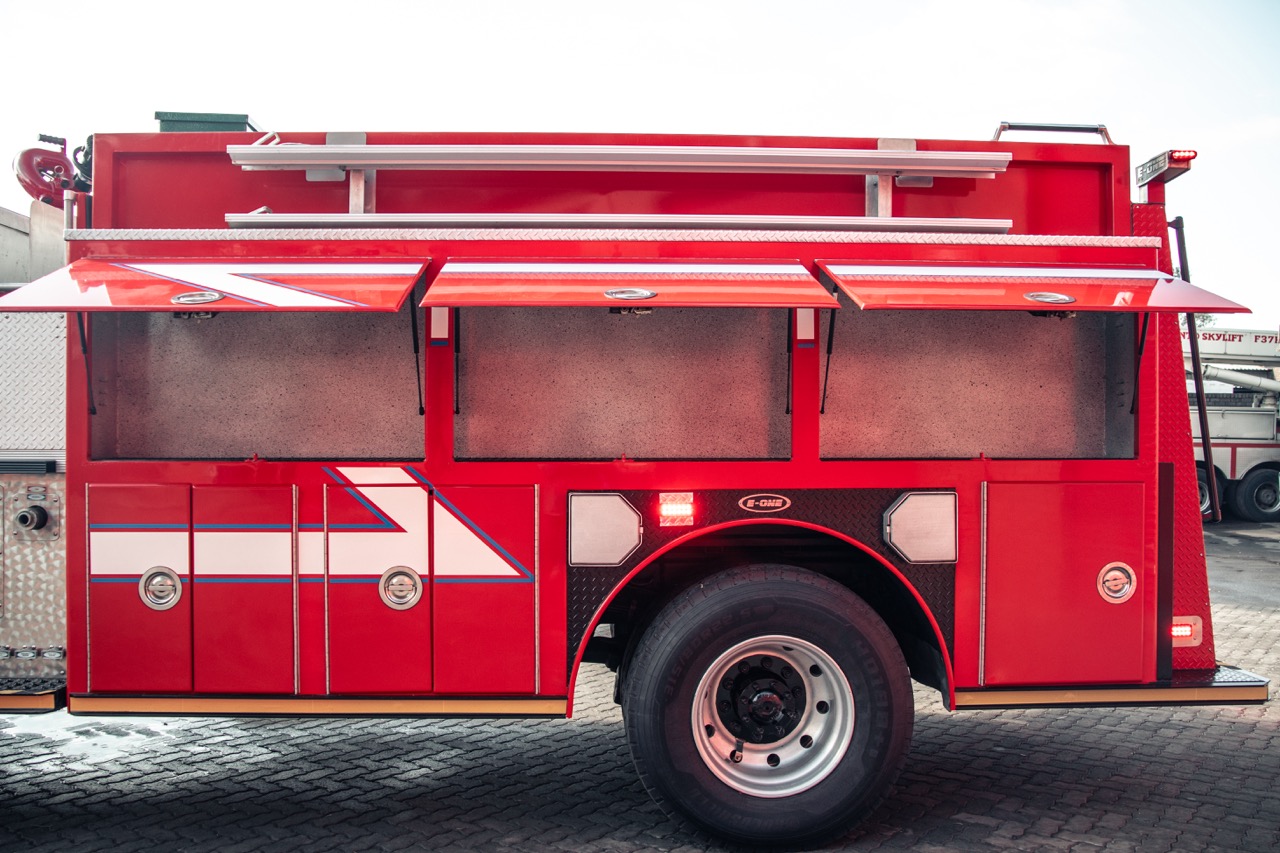
Refurbishing Firefighting Vehicles
Refurbishment includes rigorous inspection and testing
Executed correctly, a refurbishment includes rigorous inspection and testing, including pump performance verification, pressure and leakage checks, ladder/handrail integrity, load tests and road worthiness, aligned to accepted service standards eg, in-service firefighting inspection and acceptance test protocols. The outcome is a safer, more reliable vehicle with documented compliance and a clear maintenance baseline.

Refurbishing Firefighting Vehicles
New firefighting vehicles can face long global supply chains
Time is another advantage. New firefighting vehicles can face long global supply chains and specification cycles, keeping critical capacity off the run. A refurbishment can be completed in a few weeks to a few months, returning a familiar chassis and crew compartment to service with upgraded capability and minimal retraining.
Refurbishment also advances sustainability and local economic value: reusing a sound chassis and body preserves embodied carbon, reduces waste and channels spend into local labour and parts rather than imported steel and electronics.
Bottom line: if the chassis and frame are fundamentally sound, refurbishment is the smartest way to regain reliability, add modern safety and firefighting tech and protect capital. You pay less, wait less and put a better tool back in your crews’ hands – where it counts most.